

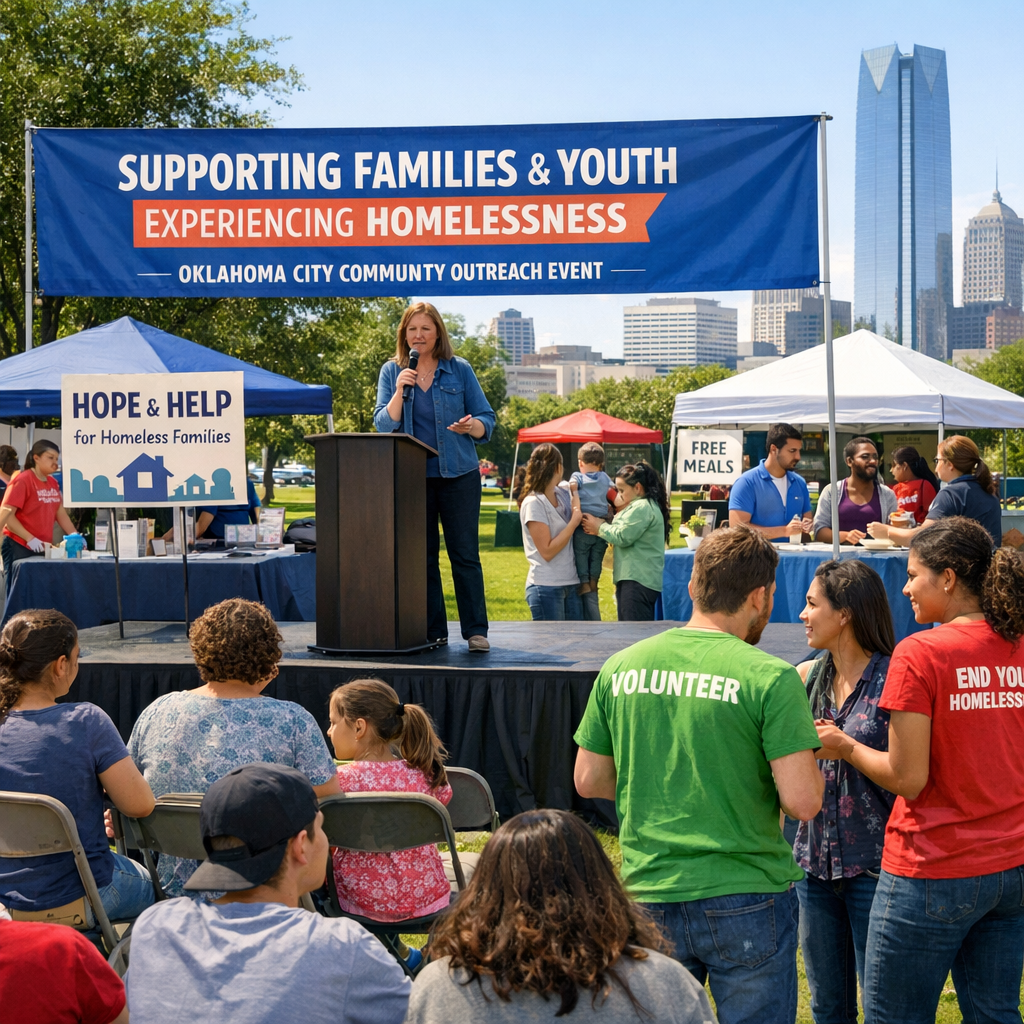
Recent data indicates a concerning rise in homelessness among families and unaccompanied youth in Oklahoma City. While the overall homeless population experienced a slight decline, these specific groups have reached unprecedented levels.
Current Statistics
According to the 2026 Point-in-Time Count, unaccompanied youth homelessness increased by 11%, and family homelessness grew by 5%, marking the highest figures since at least 2005. Factors such as escalating living costs, limited affordable housing, and economic pressures are contributing to this trend.
Community Initiatives
In response, the city has implemented several strategies:
- Key to Home Partnership: A collaboration of over 40 agencies aiming to pair housing with comprehensive services to house 500 individuals by the end of 2025, targeting a 75% reduction in the unsheltered population.
- Continuum of Care Grants: Annual investment exceeding $3.5 million to support local social service groups managing programs addressing homelessness, including housing initiatives integrated with health services and job training.
- Mental Health Investment: Funding organizations like Hope Community Services and Red Rock Behavioral Health to provide housing for individuals with mental health challenges.
Challenges and Outlook
Despite these efforts, challenges persist. The housing voucher inspection process has been identified as a bottleneck, delaying the transition from encampments to permanent housing. Advocates emphasize the need for streamlined procedures to expedite housing placements.
Addressing the root causes of homelessness requires a multifaceted approach, including increasing affordable housing availability, enhancing mental health services, and fostering community engagement. Continued collaboration among city officials, service providers, and residents is essential to create sustainable solutions for those in need.