

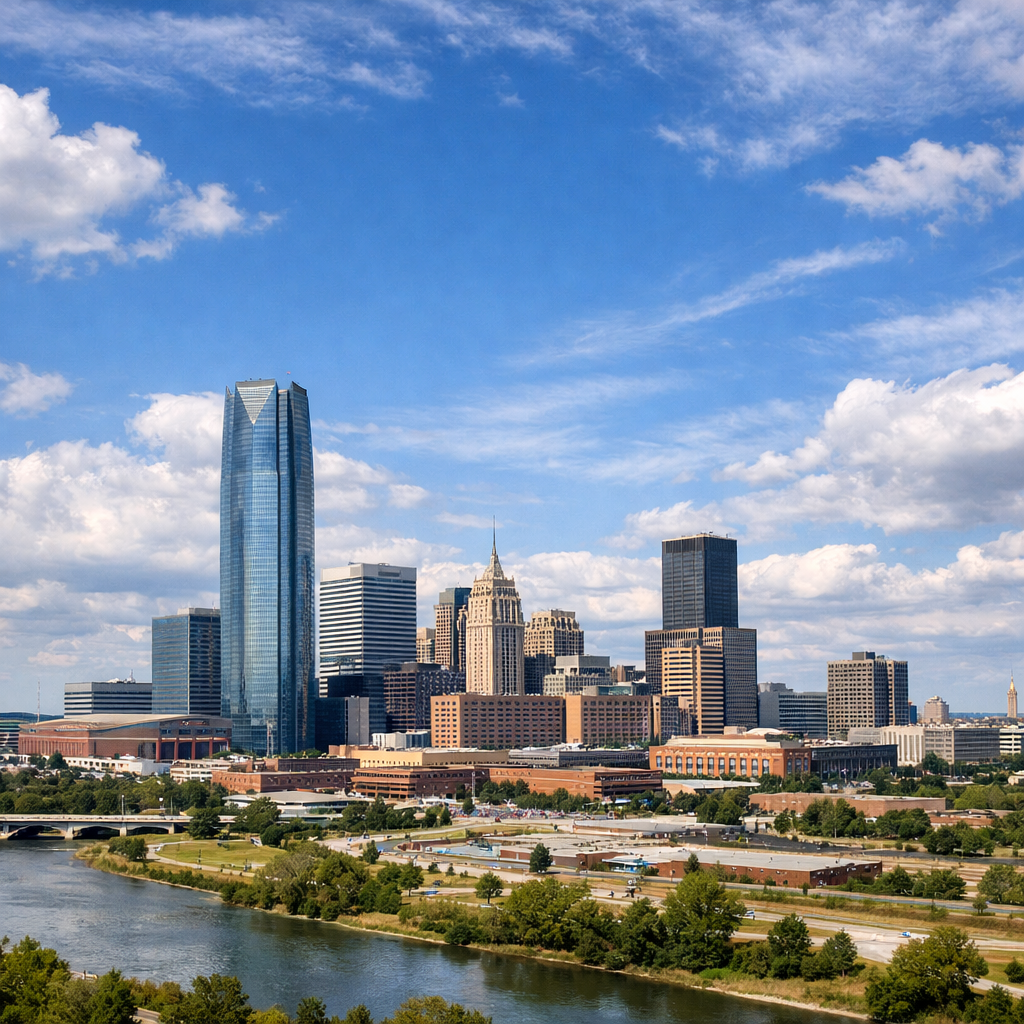
Oklahoma City experiences a diverse range of weather patterns throughout the year, influenced by its geographic location and topography. Understanding these patterns is essential for residents to prepare for seasonal changes and environmental challenges.
Seasonal Weather Patterns
Spring
Spring in Oklahoma City is characterized by mild temperatures and increased precipitation. Average temperatures range from 51°F (10.6°C) in March to 68°F (20°C) in May. This season also marks the beginning of the severe weather season, with thunderstorms and tornadoes becoming more frequent. The city’s location in “Tornado Alley” makes it particularly susceptible to these events during April and May.
Summer
Summers are hot and humid, with average temperatures between 68°F (20°C) and 94°F (34°C). July is typically the hottest month, with average highs around 93°F (34°C). The combination of heat and humidity often leads to frequent thunderstorms, some of which can be severe.
Autumn
Autumn brings cooler temperatures and reduced humidity, offering a respite from the summer heat. Average temperatures drop from 73°F (22.7°C) in September to 49°F (9.4°C) in November. This season is generally pleasant, with fewer severe weather events.
Winter
Winters are typically cool and dry, with average temperatures ranging from 29°F (-2°C) to 50°F (10°C). Snowfall is relatively light, averaging less than 10 inches per year, and snow rarely remains on the ground for long periods.
Environmental Challenges
Air Quality
Oklahoma City faces challenges related to air quality, primarily due to emissions from motor vehicles and industrial activities. The city is at risk of exceeding air quality standards, particularly concerning ground-level ozone and particulate matter. Increased vehicle travel and industrial emissions contribute to this issue, posing health risks to residents, especially those with respiratory conditions.
Urban Heat Island Effect
The urban heat island (UHI) effect is another environmental concern. Urban areas tend to be warmer than their rural surroundings due to human activities and infrastructure. In Oklahoma City, this effect can lead to higher temperatures, increased energy consumption, and exacerbated air pollution. Mapping and understanding the UHI effect are crucial for developing mitigation strategies.
Conclusion
Oklahoma City’s diverse climate and environmental challenges require residents to stay informed and prepared. By understanding seasonal weather patterns and addressing environmental issues like air quality and the urban heat island effect, the community can work towards a healthier and more resilient environment.